How to Choose the Best Packaging Material Company in Australia for Your Brand?
For Australian brands, packaging is no longer a back-office afterthought; it is one of the fastest ways to influence perception, loyalty, and repeat purchase. The company you choose to supply your packaging materials will directly impact how your brand looks, feels, ships, and scales.
This article walks through a practical content-funnel journey—awareness, consideration, and decision—so you can move from “we need better packaging” to “we know exactly which kind of packaging partner we need and why.” Throughout, Eco Friendly Packagingis used as a real-world example of an eco-driven supplier that aligns with what modern Australian brands expect from their packaging.
Clarify Brand & Product Requirement
Before you compare any suppliers, you need internal clarity. Without it, even the best packaging company cannot deliver what you truly need.
Ask three simple questions:
What is the primary role of our packaging? Is it to create a premium unboxing moment, to minimise cost per order, to highlight sustainability, or to withstand complex logistics (e.g. cold chain, long-distance freight)?
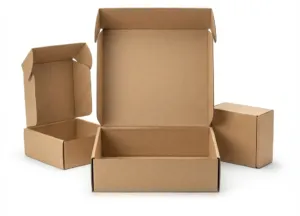
What are we actually shipping? List your main SKUs, including size, weight, fragility, and whether items are sold online, in-store or both. This clarifies whether you need cartons, mailers, void fill, food-safe packaging, or a mix.
What scale are we operating at? Estimate monthly order volumes, seasonal peaks, and any upcoming launches so you know what minimum order quantities (MOQs) you can realistically handle.
Having these answers ready lets you brief packaging suppliers in a way that makes you look serious and helps them propose better solutions from day one.
Make Sustainability Non Negotiable
Australian consumers, retailers, and regulators are pushing hard toward reduced plastic and more circular materials. Brands that ignore this trend risk reputational damage and potential compliance headaches.
When assessing a packaging material company, check:
Honest sustainability claims Avoid vague “eco” wording; look for clear descriptions of what can be recycled kerbside, what is home-compostable, and what meets local standards.
Design that reduces waste Smarter structural design can reduce void space, cut filler use, and lower freight emissions.
EcoFriendlyPackaging.com.au is a strong example here, focusing on 100% recyclable, compostable and biodegradable solutions for Australian brands. Working with a specialist like this means sustainability is built into your packaging from the start rather than added as a marketing afterthought.
Evaluate Quality, Testing and Protection
Once you know a supplier’s materials align with your values, shift to performance. Beautiful eco packaging that fails in transit is ultimately bad for the environment and your customer experience.
Key checks:
Strength and durability Ask about board grades, thickness, and performance in typical shipping scenarios—especially if you send fragile, heavy, or moisture-sensitive items.
Print and colour consistency Your logo and colours must look the same on every batch, across boxes, labels, and inserts. Poor consistency weakens brand recognition.
Sample and trial process Good packaging partners will send samples and expect you to test them with your own pickandpack and courier setup. If a supplier discourages testing, treat that as a red flag.
A company that takes quality control seriously will talk confidently about test results, failure rates, and how they respond to issues when they occur.
Look for Branding & Design Partnership
At this point in the funnel, a buyer’s mindset moves from “does it work?” to “will this help us stand out?”. Your packaging must express your brand, not just carry it.
Look for suppliers who:
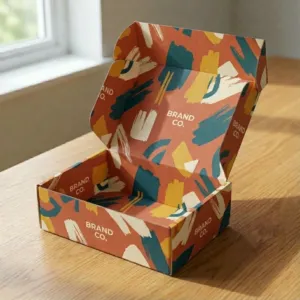
Offer custom printing on cartons, satchels, tissue, tape, and stickers so every layer is on-brand.
Provide dieline templates, artwork checks and preproduction proofs to avoid costly design mistakes.
Understand how to integrate branding with sustainability, such as limiting ink coverage, using water-based inks, and avoiding unnecessary laminates.
EcoFriendlyPackaging helps brands combine eco materials with strong visual identity, so the packaging says “premium” and “planetfirst” at the same time. That combination is increasingly what Australian customers expect when they open a parcel.
Test Reliability, Lead Times and Support
Midfunnel buyers who like what they see now focus on operational proof. A packaging company can have great products but still be a poor fit if they are unreliable.
Assess:
Lead times and capacity Ask how quickly they can turn around standard and custom orders, and what happens in peak retail periods.
Flexibility with MOQs and scaling Can they support smaller brands now and grow with you, increasing volumes and SKUs over time?
Account management and responsiveness How quickly do they quote, confirm orders, resolve misprints or address stock issues?
Suppliers positioned as partners—such as eco-focused wholesalers that work closely with Australian brands—tend to emphasise communication and continuity, not just one-off transactions.
Calculate Total Cost, Not Just Price Per Unit
At the bottom of the funnel, decision-makers scrutinise numbers. Focusing only on unit price is a common mistake; you should model total cost of ownership.
Include:
Freight and storage costs affected by packaging dimensions and weight.
Damage and return rates tied to packaging failures; even a small change in breakage can wipe out perceived savings.
Packing efficiency—how quickly and easily staff can assemble, pack, and seal orders.
Sustainable, welldesigned solutions from providers like EcoFriendlyPackaging.com.au often reduce returns and improve customer satisfaction, increasing lifetime value and offsetting slightly higher material costs. For growthoriented brands, this tradeoff is usually positive.
Commit to a LongTerm Packaging Partner
Finally, treat your chosen packaging company as a strategic partner, not just a line item. The right partner will keep you ahead of regulatory changes, material innovations, and consumer expectations.
Ask yourself:
Will this company still be the right fit when we double in size?
Do they proactively suggest better, greener or more costeffective options as new technologies emerge?
Are their values—particularly around sustainability—aligned with ours?
Packaging specialists like EcoFriendlyPackaging, with a clear eco mission and focus on Australian brands, are designed to be exactly that kind of ongoing partner.
The Rising Demand for Eco Packaging Customers are more environmentally conscious than ever. Your packaging says a lot about your brand’s values. If you’re still...
Why Packaging Defines Your Brand In today’s hyper-visual marketplace, your packaging is more than a wrapper — it’s your brand’s first impression.The moment a customer...
Why Cardboard Boxes Are Going Green For decades, cardboard boxes have been the unsung heroes of global commerce — protecting products, simplifying logistics, and keeping...
Why Cardboard Boxes Are Going Green For decades, cardboard boxes have been the unsung heroes of global commerce — protecting products, simplifying logistics, and keeping goods safe...
Why Mailing Boxes Matter More Than Ever Running a business in Australia today means more than just selling a good product. Customers expect fast delivery,...



 by Eco Friendly Packaging
October 31, 2025
Comments Off on Where to Get Eco Friendly Packaging in Bulk Across Australia
by Eco Friendly Packaging
October 31, 2025
Comments Off on Where to Get Eco Friendly Packaging in Bulk Across Australia